
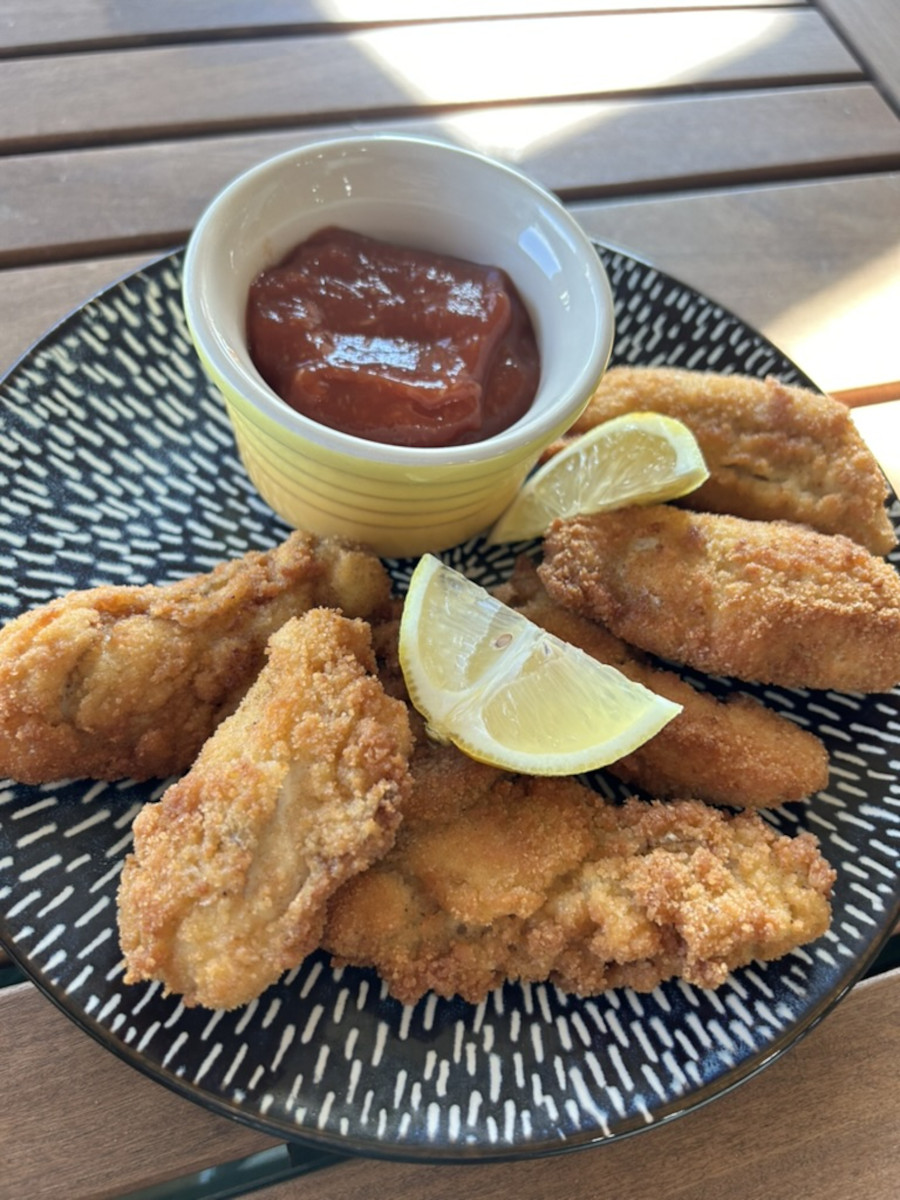
Dive into the golden delight of our Golden Fried Oysters, where each morsel is a perfect balance of light, lemony zest and a satisfying crunch. These delectable bites are:
- Lightly Breaded: Coated in a crisp, golden crust that gives way to the tender, succulent oyster within.
- Flavorful Pairings: Enhance your experience by dipping them into:
- A Tangy Tartar Sauce for a classic complement.
- Spicy Cajun Red Sauce to add a kick of heat.
- Or simply with a squeeze of fresh lemon and a dash of hot sauce for a burst of flavor.
- Versatile Enjoyment: Whether you’re looking for:
- A succulent side to accompany your meal,
- A starring role as the main course,
- Or the crowning glory on an unforgettable po’ boy sandwich, these oysters are universally pleasing.
Golden Fried Oysters are more than just food; they’re an experience, a celebration of texture and taste, making any occasion feel like a special event. Savor the moment, one crunchy, delicious bite at a time.
Golden Fried Oysters Recipe

Golden Fried Oysters

Equipment
- medium bowl
- 3 shallow dishes
- medium skillet
- tongs
- high temp thermometer
- baking sheet
- paper towels
Ingredients
- 1 dozen fresh raw oysters – shucked
- 1 cup all-purpose flour
- 1 tbsp Cajun or Creole seasoning – such as Tony Chachere's
- 2 eggs
- 1 lemon – zested, and halved
- 1 tsp cornstarch
- 4 cups oil – peanut, canola, or vegetable
Instructions
- Combine flour and seasonings in a shallow dish. Whisk together egg, half of the lemon juice, lemon zest, and cornstarch in a separate shallow dish. Add breadcrumbs to a third shallow dish.

- Thaw and rinse oysters under cool water. Drain and pat dry with paper towels. Dredge the oysters in flour, then in the egg wash, then in the breadcrumbs, and set aside.

- In a 10" – 12" skillet, bring oil up to 325℉. Add the breaded oysters to the hot oil. Fry in batches if necessary to keep the oysters from touching each other. This will ensure they brown evenly in the oil. cook for 1-2 minutes per side, or until oysters turn an even golden-brown color. Remove fried oysters to a baking sheet lined with paper towels to drain.

- Serve hot with wedges of lemon and your favorite sauce, such as Tartar Sauce, or Cajun Red Sauce.


PRIVATE NOTES
Nutrition
More Information
Multi-use Batter
This simple yet versatile batter is perfect for coating and frying a variety of seafood delights:
- Ideal for: Shrimp, scallops, and fish like flounder. Whether you’re craving crispy shrimp, succulent scallops, or golden fillets of fish, this batter has you covered.
- Preparation Technique:
- Dredging: Start by thoroughly dredging your seafood in flour, then shake off any excess. This crucial step ensures that the egg wash and breading stick well, giving you that perfect light crunch.
- Egg Wash with a secret: Adding cornstarch to the egg wash not only aids in better adhesion of the breadcrumbs, but also contributes to a lighter, crispier texture.
- Flavor Enhancement: A hint of lemon zest is mixed into the egg wash, infusing each bite with a subtle, refreshing citrus note that complements the rich, golden-fried exterior.
- The result: This batter creates a lightly crunch crust with a delicate, lemony flavor, making your seafood not just a meal, but a gourmet experience. The contrast between the crispy coating and the tender, moist seafood inside is simply irresistible.
Tips for Perfect Results:
- Ensure your seafood is patted dry before dredging to maximized adhesion.
- Adjust the amount of lemon zest according to taste for a personalized touch.
- Fry at the right temperature (around 350°F/175°C) to achieve that golden color without overcooking.
Whether you’re hosting a diner party or enjoying a quiet night in, this batter will transform your seafood into something extraordinary. Experiment with different spices or spice blends in the batter for an even broader range of flavors.
The Ideal Oyster Size for Frying
When it comes to frying oysters, size matters. Medium to large oysters are the perfect choice:
- Small oysters tend to lose their delicate flavor beneath the breading, diminishing the overall taste experience.
- Oversized oysters can be cumbersome, making them hard to enjoy in one bite or to dip into accompanying sauces.
The optimal fried oyster is one that’s just the right size to savor in a single bite, ensuring you get the full flavor without the need for cutting or multiple bites. This size strikes the perfect balance between texture, taste, and ease of consumption.
Caution When Preparing and Consuming Oysters
- Source and Freshness: Always ensure the oysters you buy are fresh and sourced from reputable suppliers. The oyster industry in the US and Canada is subject to stringent regulations, with regular testing of both the water and the oysters themselves.
- Health Risks: Oysters are filter feeders, which means they can accumulate harmful microorganisms like bacteria (e.g., Vibrio vulnificus) or viruses. Consuming undercooked or raw oysters can lead to serious illness.
- Preparation Safety:
- Clean Tools: Use only clean kitchen utensils and surfaces when handling oysters to avoid cross-contamination.
- Storage: Keep oysters cold, ideally on ice or in a refrigerator at a temperature below 40°F (4°C), until you’re ready to cook them. Never leave them at room temperature.
- Cooking Methods:
- Cooking Through: To reduce health risks, cook oysters thoroughly. Frying them until they are completely cooked is a good method, ensuring the internal temperature reaches at least 145°F (63°C) for 15 seconds.
- Alternative Cooking: Boiling, baking, or grilling are also effective cooking methods to kill harmful bacteria.
- Consumption Tips:
- If you choose to eat oysters raw, be extra cautious. Those with compromised immune systems, liver disease, or other chronic conditions should avoid raw oysters.
- Look for signs of spoilage; if oysters smell off or appear discolored, discard them.
By following these guidelines, you can enjoy oysters while minimizing the risk of foodborne illness. Remember, when in doubt, it’s safer to cook rather than serve raw or undercooked oysters.
Related Recipes
Tartar Sauce

Cajun Red Sauce


Shrimp Po’ boy

Flounder Po’ Boy

Crab Stuffed Fried Shrimp

Care to comment? I'd love to read it. Please be cool, respectful, relevant, positive or constructive, and leave an actual comment. Thanks!