Smoking Meats
A general guide for maintaining heat in an offset smoker to produce amazing smoked meats.
$20 - $40 in charcoal
Equipment
- heavy gauge steel smoker with offset firebox
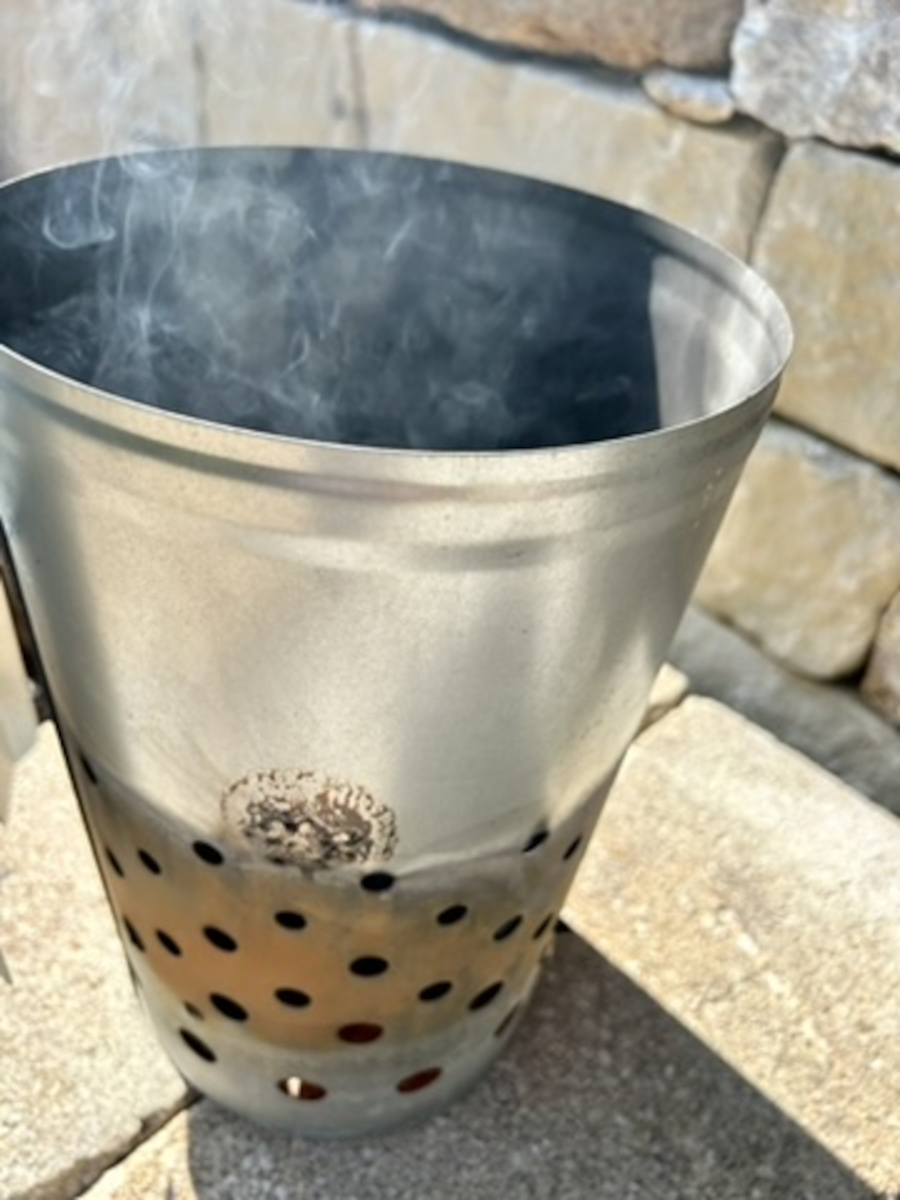
- charcoal starter chimney
- starting torch
- remote digital thermometer with multiple probes
Ingredients
- good quality lump charcoal, or seasoned firewood - oak or hickory
- flavored wood chunks - optional mesquite, applewood, or cherrywood
Instructions
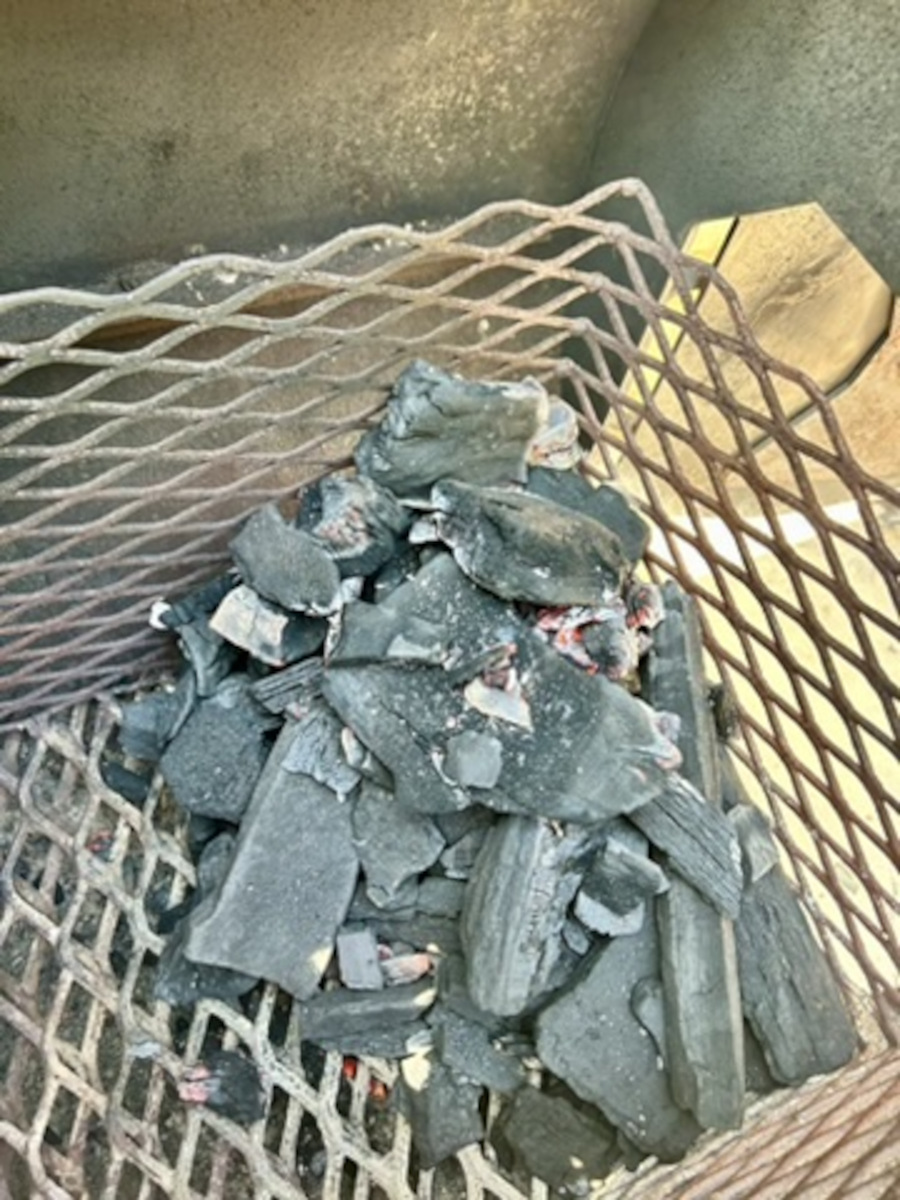
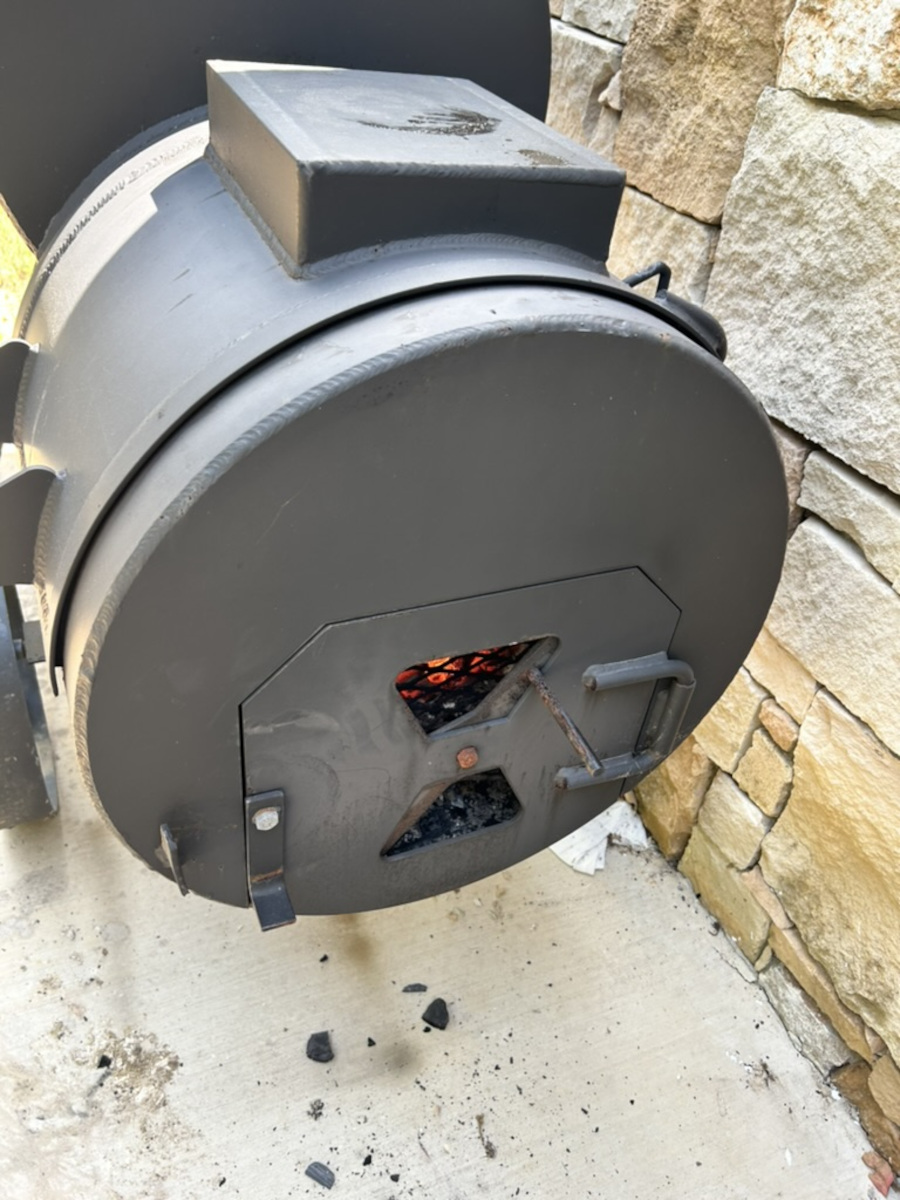
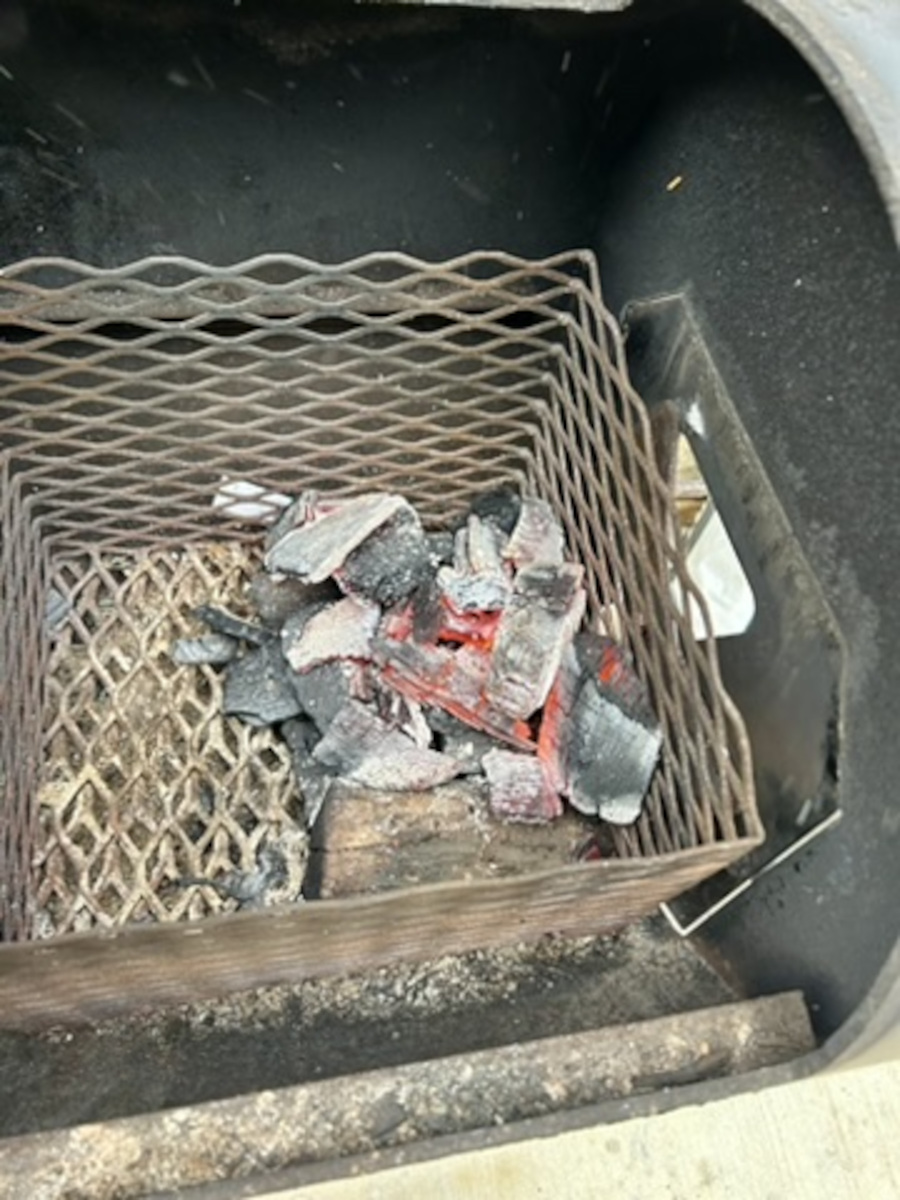
- Open up the firebox. Make sure any existing ashes are cleaned out. I'm using a charcoal basket, but this is not absolutely necessary. Make a small pile of good quality lump charcoal toward the outside of the firebox. Optionally use good quality, dry oak or hickory firewood.

- Fill a starter chimney halfway up with charcoal. Lite the chimney, and allow the coals to catch fire.

- Pour the lit charcoal directly on top of the pile.

- Close the firebox lid and door, but open the vents all the way. You want lots of air to be moving through the smoker.

- Use a remote digital thermometer to monitor the heat. Focus on the air temperature probe, not the meat temperature probes. Allow the smoker to slowly heat up to 225℉, which is the perfect temperature for smoking most meats.

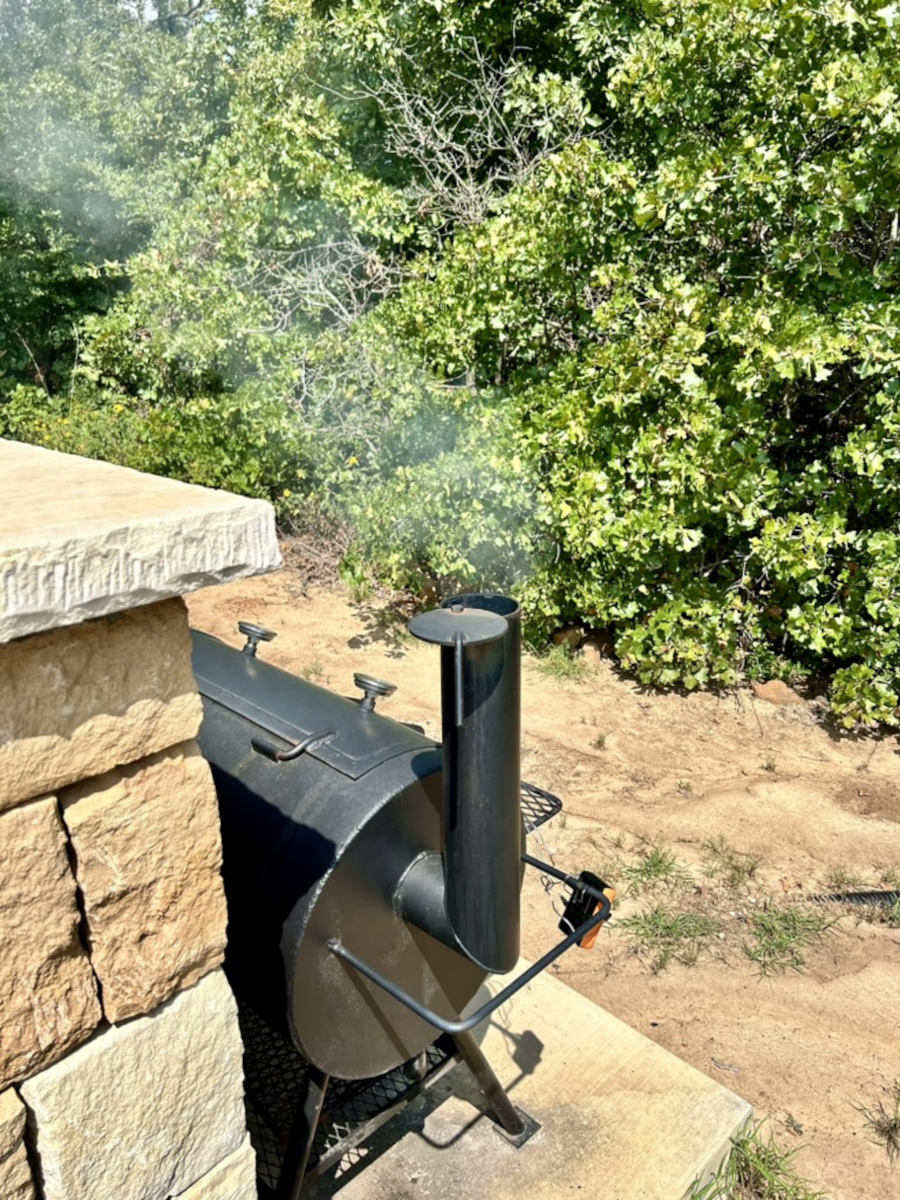
- There should be only a thin blue smoke coming from the exhaust stack. If the smoke is heavy, the fire is not hot enough and is being starved of oxygen. It can take 45 minutes to an hour before the smoker temperature is stabilized.

- Monitor the pit temperature throughout the smoke. If you see the temperature falling, add a small amount of charcoal to the pile. Only add about half a chimneys worth at a time. You want to maintain a small bed of hot coals, not a roaring fire. If you have accidentally added too much charcoal, the temperature can rapidly rise in the smoker, which is not what you want. Close the vent by half to try to regain control of the temperature.