
Say hello to roux—the flour-and-oil powerhouse that’s your ticket to thicker, tastier dishes. This kitchen workhorse flavors and binds stews, gumbos, and classics like béchamel, velouté, and étouffée. A light roux even stars in homemade mac & cheese, proving its versatility. Master this simple technique, and you’ll unlock a world of culinary magic, elevating everything from sauces to soups with depth and finesse. It’s a must-have in your cooking arsenal!
Roux Recipe

Roux

Equipment
- large dutch oven or heavy bottom skillet
- spatula
Ingredients
- 1 cup vegetable oil
- 1 cup all-purpose flour
Instructions
- Add oil and flour to a large heavy bottomed skillet. Mix well and bring the skillet up to medium heat while stirring constantly to keep flour from burning. If the flour burns it will turn bitter and ruin the roux.
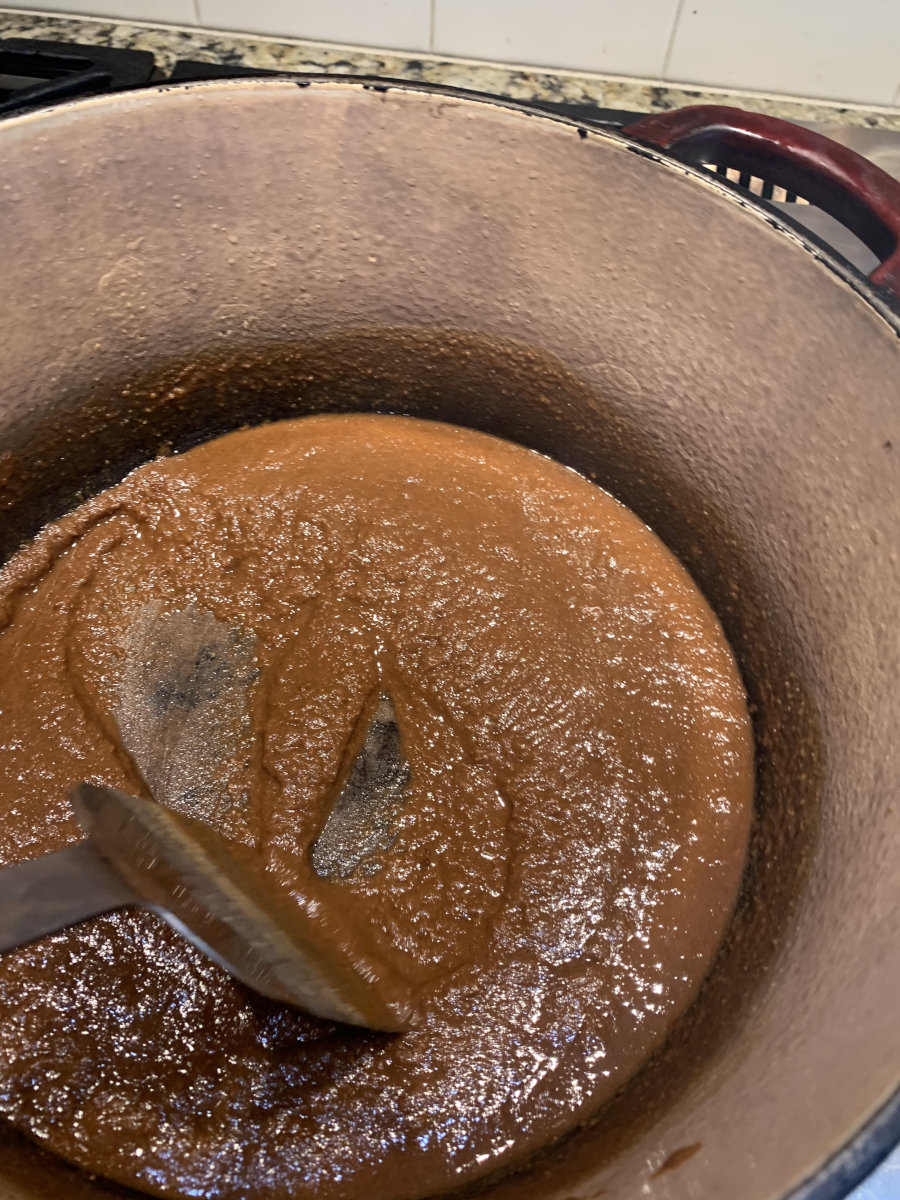
- Continue stirring the roux until it reaches your desired color. Your recipe might call for a light, medium or dark roux. Each has a distinct flavor. The longer you cook the roux, the darker it will become.
- Once you are finish preparing the roux, you can use it immediately, or keep in a cool place until you are ready to use it.
For light roux
- Cook, stirring constantly until a light color is achieved.


For medium roux
- Continue cooking and stirring until a medium caramel color is achieved.


For dark roux
- Continue cooking, and constantly stirring until a dark chocolate color is achieved.

Notes
PRIVATE NOTES
Nutrition
More Information
Roux: The Versatile Backbone
Roux is a culinary chameleon, adapting to whatever dish you throw it into. It’s the foundation of French cuisine, thickening sauces like béchamel and velouté with silky finesse. But it truly shines in Creole and Cajun cooking, where it deepens the soul of gumbos, étouffée, and fricassees. From light to dark, its versatility is unmatched—whether you’re whipping up a creamy mac & cheese or a robust stew, it’s got your back, adding flavor and body in equal measure.
Light to Dark: A Roux Rainbow
My recipe walks you through the color spectrum—light, medium, and dark—each with its own vibe. A light roux, pale and subtle, is your go-to for dishes like homemade mac & cheese, Ham and Potato Soup, or even a smoky Roasted Chile Salsa—it thickens without overpowering. Step up to a medium roux, with its toasty, nutty hue, and you’ve got the perfect match for Ranchero Sauce, balancing richness and depth. Go dark—think deep chocolate brown—and you’re in gumbo, fricassee, or étouffée territory, where that bold, earthy flavor steals the show. Each shade has its stage; pick your player wisely.
Keep It Moving: No Burn Zone
Making roux is a hands-on affair—keep that flour moving in the oil, or it’s game over. Constant stirring prevents burning, which turns your roux bitter and acrid, ruining the whole pot. Use a wooden spoon or whisk and stay vigilant, especially as it darkens; the line between perfect and scorched is thin. Medium heat’s your friend—too hot, and it’ll catch before you can blink. Patience pays off with a smooth, flavorful base.
Oil vs. Butter: A Flavor Trade-Off
Traditionally, roux starts with oil—vegetable or neutral—for its high heat tolerance and longevity. Swap in butter, though, and you get a richer, nuttier taste that’s hard to beat, especially in lighter roux for sauces or mac & cheese. The catch? Butter burns easier, so it’s best for small batches or pale roux—keep the heat low and watch it close. Plus, butter-based roux doesn’t store as well; the dairy shortens its shelf life compared to oil’s staying power. For dark roux or big batches, stick with oil to play it safe and keep it stable.
Related Recipes
Chicken Gumbo

Cajun Seafood Gumbo

Cajun Chicken Fricassee


Turkey Gravy



Care to comment? I'd love to read it. Please be cool, respectful, relevant, positive or constructive, and leave an actual comment. Thanks!